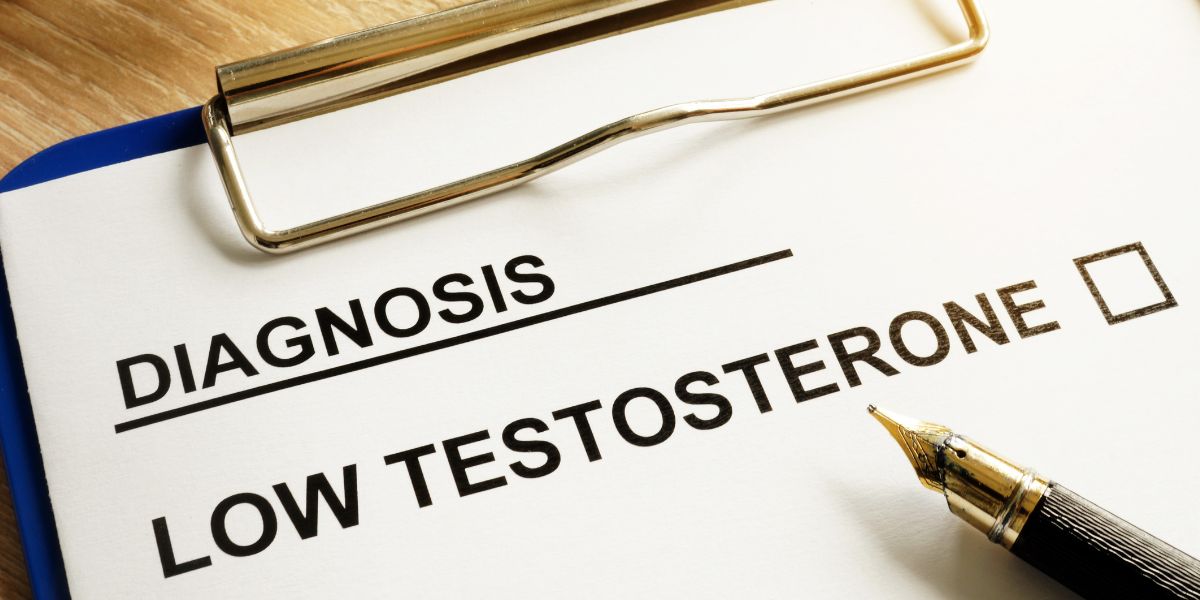
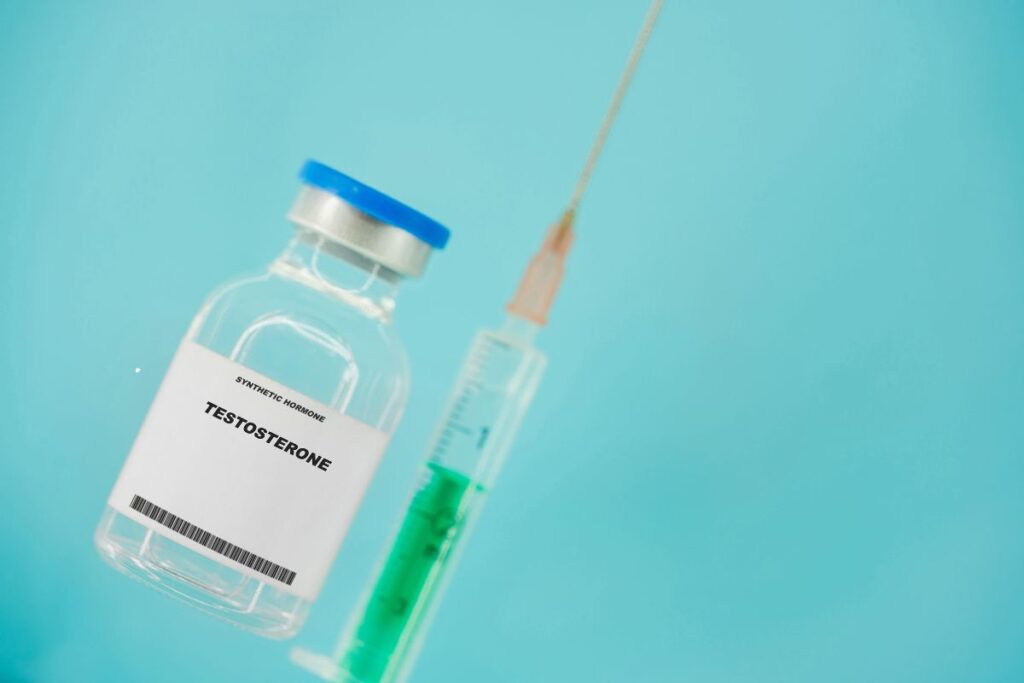
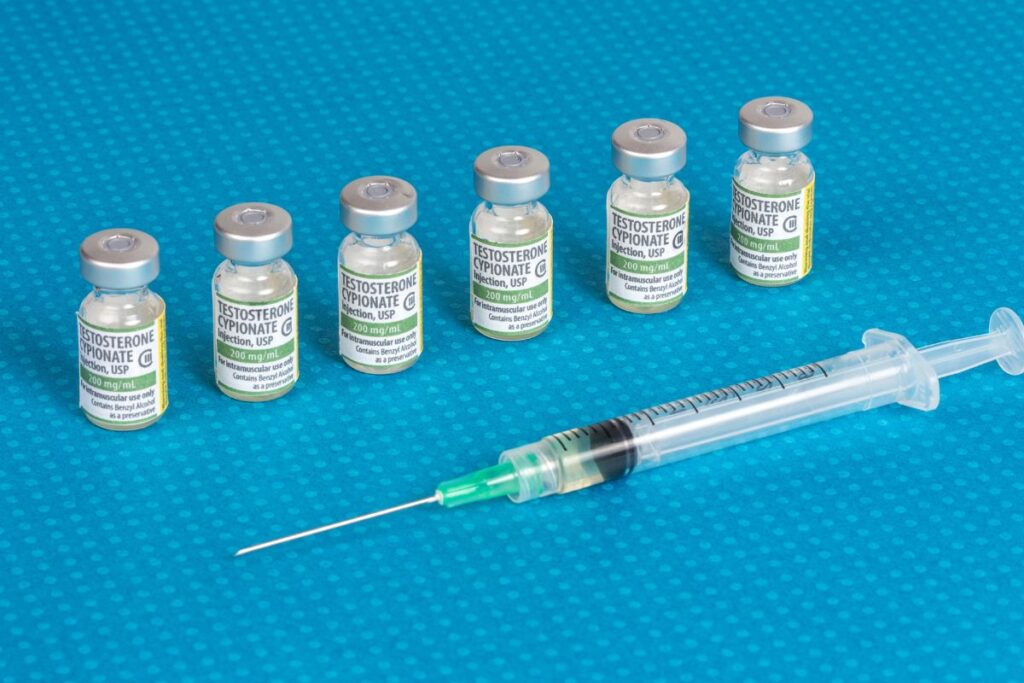
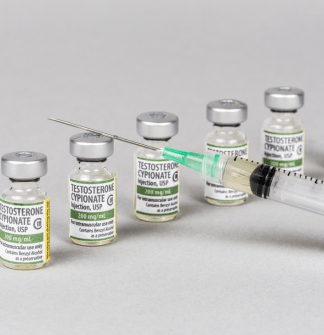
The easiest way to get a prescription for testosterone online in Maryland is by reaching out to Empower Men’s Health Clinic. After a quick initial consultation call and a thorough health checkup, we will assess your eligibility for Testosterone Replacement Therapy (TRT).
If approved, your prescription will be sent directly to a pharmacy near you. No in-person appointments are required, making the process convenient and hassle-free!
#image_title
Steps To Get An Online Prescription For TRT in Maryland
1. Initial Consultation
Your TRT journey begins with an in-depth consultation where our experienced specialists will take the time to fully understand your unique situation.
During this consultation, you’ll discuss your symptoms, such as low energy, reduced muscle mass, or decreased libido, and how they may be affecting your quality of life. We’ll also explore your health goals, whether that’s boosting energy, improving mood, or enhancing overall vitality.
In addition, a thorough review of your medical history will help us ensure that Testosterone Replacement Therapy is a safe and effective option for you. This personalized approach sets the foundation for a tailored TRT plan designed to meet your specific needs.
2. Comprehensive Testing
At Empower Men’s Health Clinic, we utilize comprehensive blood tests to accurately measure your testosterone levels, including both ‘bound’ and ‘free’ testosterone. Along with this, we assess basic health markers such as blood pressure, cholesterol levels, liver function, and overall cardiovascular health to ensure you’re a good candidate for Testosterone Replacement Therapy (TRT).
This thorough evaluation not only helps determine if TRT is appropriate for you but also ensures that the treatment will be both safe and effective, tailored to your unique health profile.
3. Personalized Treatment Plan
Based on your test results and consultation, the Empower team will craft a customized TRT plan tailored specifically to your needs. This personalized approach takes into account your testosterone levels, overall health, and individual goals.
By designing a treatment plan uniquely suited to you, we ensure that you receive the most effective dosage and delivery method for optimal results, all while closely monitoring your progress to make any necessary adjustments along the way.
4. Ongoing Monitoring and Support
Empower’s dedicated team provides continuous support throughout your TRT journey, ensuring you receive the best care possible. We regularly monitor your testosterone levels through follow-up blood tests and health assessments, making adjustments to your treatment as needed to maintain optimal results.
Our team is here to guide you every step of the way, addressing any concerns and fine-tuning your therapy to help you achieve your health and wellness goals.
Benefits of TRT at Empower
Patients undergoing TRT at Empower Men’s Health Clinic often report significant improvements in various aspects of their lives:
Increased energy and vitality
Enhanced mood and cognitive function
Improved libido and sexual performance
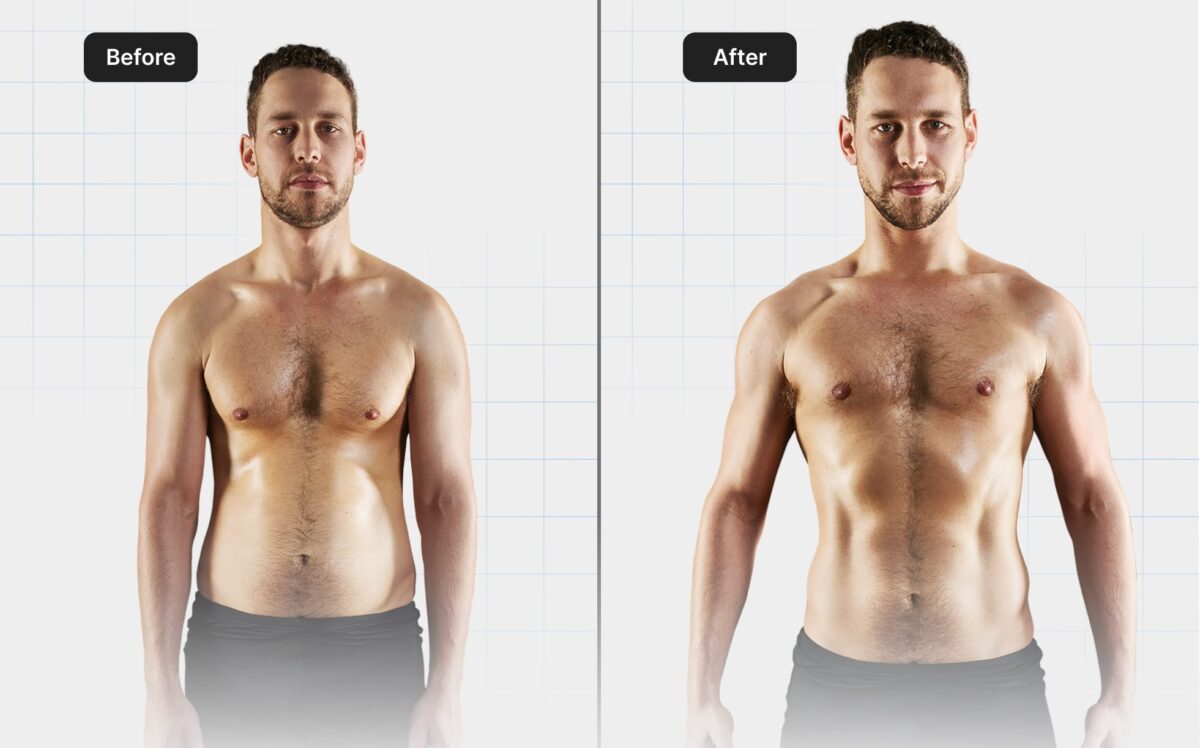
Increased muscle mass and reduced body fat
Better overall sense of well-being
Safety and Monitoring
Empower prioritizes patient safety in their TRT programs. We conduct regular follow-ups and adjust treatment plans as necessary. For men over 40, we recommend PSA tests before starting therapy and at regular intervals thereafter.
Testosterone levels typically peak within a few days to a week after injection, depending on the formulation used. For instance, testosterone cypionate peaks around 48-72 hours after administration, whereas testosterone enanthate may peak slightly later, between 72-96 hours.
If you’re interested in learning more, keep reading, additionally click here to learn about our online TRT options.
For many men undergoing TRT, knowing when their testosterone levels peak helps in scheduling activities that benefit from increased energy and vitality. At Empower Men’s Clinic, we emphasize the importance of understanding these peak times to maximize the benefits of treatment. Click here to take our low testosterone quiz!
Factors Affecting Testosterone Peak Times
Several factors influence when testosterone peaks after injection:
1. Type of Testosterone Injection: Different formulations of testosterone, such as testosterone cypionate or testosterone enanthate, have varying absorption rates and durations. Understanding these differences is crucial as they directly impact peak times.
2. Injection Frequency and Dosage: The frequency of injections and the dosage administered also affect peak times. Generally, injections are scheduled to maintain stable testosterone levels throughout the treatment cycle, but variations in dosage can alter peak times.
Empower Men’s Clinic takes a personalized approach to TRT, conducting thorough evaluations and regular monitoring to adjust treatment plans as needed. This ensures that each patient achieves optimal testosterone levels for improved quality of life.
#image_title
Monitoring Testosterone Levels
Regular monitoring of testosterone levels is crucial for assessing treatment effectiveness and safety. At Empower Men’s Clinic, we utilize advanced laboratory testing to track testosterone levels throughout the treatment cycle. This proactive approach allows us to make timely adjustments to dosage or injection frequency, optimizing our patients’ outcomes.
Managing Peak and Trough Effects
TRT involves a cycle of peaks and troughs in testosterone levels, with peaks occurring shortly after injections and troughs just before the next dose. While peaks are associated with heightened energy and well-being, troughs may lead to temporary declines in mood or energy levels.
Empower Men’s Clinic educates our patients on managing these effects through lifestyle adjustments and supplemental therapies when necessary. Our goal is to minimize discomfort during trough periods while maximizing the benefits of testosterone peaks.
Optimizing TRT for Peak Performance
Achieving peak performance with TRT goes beyond injections alone. At Empower Men’s Clinic, we emphasize a holistic approach to men’s health, integrating nutrition counseling, fitness programs, and stress management techniques into our treatment plans. By addressing the broader aspects of health and wellness, we empower our patients to achieve sustained vitality and well-being.
#image_title
Get Started Today
Ready to optimize your testosterone levels and reclaim vitality? At Empower Men’s Clinic, we specialize in personalized testosterone replacement therapy tailored to your unique needs. Whether you’re seeking to boost energy, enhance muscle mass, or improve overall well-being, our experienced healthcare team is here to guide you every step of the way. Schedule your consultation today and discover how our comprehensive approach to men’s health can empower you to live life to the fullest. Take the first step towards a healthier, more vibrant you with Empower Men’s Clinic.
No—testosterone does not increase height in adults beyond the natural growth phases experienced during puberty.
Height is primarily determined by genetic factors and the growth patterns established during adolescence, particularly through the closure of growth plates in bones.
While testosterone plays a crucial role in various aspects of male development and health, its influence on height is limited to the growth periods of puberty.
Understanding this distinction is essential for individuals considering testosterone therapy and seeking to manage symptoms of low testosterone effectively.
During puberty, testosterone contributes to the growth and development of bones and muscles. It stimulates the production of growth hormone, which in turn stimulates the growth plates to increase bone length. However, once puberty ends and growth plates close, the potential for increasing height naturally diminishes significantly.
Testosterone Therapy: Purpose and Benefits
Testosterone therapy, often recommended for men with low testosterone levels (hypogonadism), aims to restore testosterone to normal levels. At Empower Men’s Clinic, testosterone therapy is tailored to each individual’s needs, focusing on improving overall health, vitality, and quality of life. While therapy primarily addresses symptoms like fatigue, low libido, and muscle loss, some individuals wonder if it can also affect height.
The ideal candidates for testosterone therapy at Empower Men’s Clinic are men experiencing symptoms of low testosterone, such as decreased libido, fatigue, irritability, and reduced muscle mass. These symptoms often indicate a deficiency that can be effectively managed with therapy under the supervision of qualified healthcare providers.
Consultation Process at Empower Men’s Clinic
Seeking testosterone therapy at Empower Men’s Clinic involves a comprehensive consultation where medical professionals evaluate symptoms, conduct necessary tests, and develop personalized treatment plans. This approach ensures that each client receives tailored care focused on addressing specific health needs and goals.
While push-ups and maintaining a healthy lifestyle can contribute positively to overall health, including hormonal balance, it’s important to understand that the impact on testosterone levels can vary significantly among individuals. Push-ups and other forms of exercise promote general fitness, which is beneficial for maintaining optimal testosterone levels as part of a healthy lifestyle. However, the direct effect of push-ups alone on testosterone levels is minimal compared to other factors such as diet, sleep, and genetics.
Yes! Even though your husband is taking testosterone, he can still impregnate you. However, testosterone injections can lead to a decrease in sperm count because the external testosterone can signal the body to reduce its own production of testosterone and, consequently, sperm.
#image_title
Get Started Today With Empower
Ready to take charge of your health and vitality? At Empower Men’s Clinic, we specialize in personalized testosterone therapy tailored to your unique needs. Whether you’re experiencing symptoms of low testosterone or seeking to optimize your overall well-being, our experienced team is here to help. Schedule a consultation today to discover how testosterone therapy at Empower Men’s Clinic can improve your energy, mood, and quality of life. Take the first step towards a healthier, more vibrant you—contact us now to get started on your journey to better health.
It will take 3-6 weeks for a TRT patient to begin to notice positive effects from their testosterone injections. However, the time it takes for testosterone to “work” or alleviate symptoms of Low T ranges from person to person and depends on the desired effect.
The first and most desired effects of TRT are an increase in energy and libido. This will take on average 3-6 weeks to take effect as the testosterone will take time to reach higher serum concentrations in your blood.
The speed at which you notice these effects depends on dosage, initial testosterone levels, and your genetics.
Improved Mood: Immediate – 6 Weeks.
Often, patients’ moods improve drastically after just the first application of TRT. This has less to do with the testosterone taking effect and more to do with the fact that they are taking a step in the right direction to address the symptoms of low testosterone.
As the weeks progress and the testosterone starts to make material changes to your hormonal profile, patients will experience increased energy, improved sex drive, improved sleep, appetite, and many more positive effects.
Muscle Mass & Athletic Performance: 3-4 Months.
For improvements in body composition and athletic performance, patients can expect to see marked results at the 3-4 month mark. At this point, you will have achieved higher serum testosterone levels and will start to benefit greatly.
The initial increases in energy and improved mood will mean patients have greater drive to eat a healthy and balanced diet, hit the gym at a more frequent basis and prioritize their overall health.
However, it should be noted that increases in muscle mass and fat loss will only occur if the patient takes the right steps concerning their diet and exercise.
TRT makes it easier to take these steps, but if a patient ignores these aspects, they will see very little change in terms of body composition and athletic performance.
Improved Erections and Ejaculation: Up to 6 Months or Not At All
The effects of TRT on erections is still being studied but the most up to date literature shows that TRT by itself may not help at all with improving erections.
This means that TRT alone may not be effective in treating erectile dysfunction and that the usage of a PDE5 inhibitor like Cialis or Viagra should be included in your regime if you suffer from ED.
The timeline for patients to notice the effects of TRT depends on what effects the patient is looking for, dose and genetics. For most patients, they will notice marked quality of life improvements within the first month of starting TRT.
It should also be noted that the positive effects of TRT hang significantly on the lifestyle decisions of patients. If you start TRT but continue to live an unhealthy lifestyle: smoking, drinking, eating junk food, poor sleep habits, etc, the results you will obtain from TRT will be far reduced compared to a patient who takes steps to improve these aspects of their life.
If you’re ready to get started with TRT, reach out to Empower Men’s Health Clinic today!
Testosterone Replacement Therapy (TRT) has gained widespread attention for its potential to significantly improve the quality of life for men experiencing low testosterone levels. TRT aims to restore normal testosterone levels in men suffering from low T, which can lead to a host of physical, mental, and sexual issues.
Understanding the journey before and after TRT is crucial for those considering this treatment. This article provides a comprehensive look at what you can expect from TRT, from initial symptoms and preparation to the dramatic changes experienced during and after the therapy.
Low testosterone, or low T, can manifest in various ways, affecting physical, mental, and sexual health. Common physical symptoms include chronic fatigue, muscle loss, and weight gain. Mentally, men might experience depression, irritability, and brain fog, which can significantly impact daily life and overall well-being. Sexual symptoms are also prevalent and include low libido and erectile dysfunction, contributing to reduced intimacy and relationship issues.
Recognizing these symptoms early can lead to timely intervention with TRT. Often, these symptoms can be mistakenly attributed to aging or other health issues, but proper diagnosis and treatment of low testosterone can lead to remarkable improvements in quality of life.
Preparing for TRT
Before starting TRT, a thorough consultation with a healthcare provider is essential. This process typically involves testing baseline testosterone levels through blood tests to confirm the diagnosis of low testosterone. During the initial consultation, patients discuss their symptoms, medical history, and potential treatment options with their healthcare provider.
Understanding the process and setting realistic expectations are crucial for achieving the best outcomes. Patients should also be aware of the commitment required for ongoing therapy and monitoring. Preparing mentally and physically for TRT helps ensure a smoother transition and better adherence to the treatment plan.
Monitoring and adjusting dosages are crucial during this period to ensure optimal results and minimize side effects. Healthcare providers often schedule follow-up appointments to assess the patient’s response and make any necessary adjustments to the treatment plan. Early physical and mental changes, while generally positive, can vary widely among individuals, emphasizing the importance of personalized care.
First Month of TRT
By the end of the first month, significant changes often become noticeable. Increased energy, improved mood, and enhanced libido are common outcomes as the body continues to adapt to the therapy. Many men report feeling more vigorous and motivated, which can translate into better performance at work and in personal life.
Physically, patients might observe muscle gain and fat loss as testosterone promotes anabolic processes in the body. Improved muscle tone and reduced body fat contribute to a more youthful and healthy appearance. Adherence to the treatment plan is vital for achieving these benefits. Regular follow-ups with the healthcare provider ensure that the therapy is progressing as expected and any side effects are managed promptly.
Three Months into TRT
After three months, the effects of TRT are usually more pronounced and stable. Many men report substantial improvements in physical performance, mood stabilization, and overall well-being. Increased confidence and a more active lifestyle are typical outcomes at this stage. Enhanced muscle mass, reduced body fat, and better endurance contribute to a more vigorous and dynamic lifestyle.
Mentally, many patients experience a significant reduction in symptoms of depression and anxiety. Cognitive functions, such as memory and concentration, often improve, leading to better productivity and quality of life. The cumulative benefits of TRT become more evident as the therapy continues, with ongoing adjustments and monitoring to optimize results.
Long-Term Effects of TRT
Long-term benefits of TRT include sustained muscle growth, fat reduction, and improved bone density. These physical changes contribute to a healthier, more resilient body, reducing the risk of osteoporosis and fractures. Additionally, TRT has been shown to enhance cardiovascular health, potentially lowering the risk of heart disease and improving overall longevity.
Enhanced quality of life and mental health are significant long-term benefits of TRT. Patients often report increased motivation, better mood stability, and a greater sense of well-being. Improved sexual health, including increased libido and better erectile function, also contribute to a more satisfying and fulfilling life.
Regular monitoring ensures that these benefits are maintained while minimizing risks. Healthcare providers adjust dosages and treatment plans based on the patient’s response and any emerging side effects. Consistent follow-up appointments and blood tests help in early detection of any potential issues, ensuring that the therapy remains safe and effective.
Potential Side Effects and Risks
While TRT offers numerous benefits, it is not without potential side effects. Common issues include acne, sleep apnea, and an increased red blood cell count. These side effects can usually be managed with appropriate medical supervision and adjustments to the treatment plan.
Long-term risks can involve cardiovascular problems, such as increased risk of heart attack or stroke. There is also a potential for dependency, where the body becomes reliant on external testosterone, necessitating ongoing treatment. Monitoring by a healthcare provider is essential to mitigate these risks and ensure the patient’s safety.
Understanding and weighing these potential side effects and risks against the benefits of TRT is crucial. Open communication with the healthcare provider helps in making informed decisions and managing any complications that arise during the therapy.
Reach out to Empowers Men’s Health Clinic if you have low Testosterone
Testosterone Replacement Therapy can be a transformative journey for men with low testosterone. By understanding the process and potential outcomes, individuals can make informed decisions about their health and well-being. TRT offers numerous benefits, from increased energy and muscle mass to improved mood and sexual health. However, it is essential to approach this therapy with a clear understanding of the potential risks and the need for ongoing medical supervision.
For those experiencing symptoms of low testosterone, consulting with a healthcare provider like Empower Men’s Clinic can be the first step toward a healthier, more vibrant life. Empower Men’s Clinic offers comprehensive services to guide patients through their TRT journey, ensuring personalized care and optimal results.
In short, HRT (Hormone Replacement Therapy) focuses on optimizing many different hormones, whereas TRT (Testosterone Replacement Therapy) only focuses on optimizing testosterone levels.
To figure out if HRT or TRT is right for you, keep reading.
HRT is used for both men and women to treat symptoms of hormonal decline and imbalances related to aging, menopause, andropause, etc., while TRT is primarily intended for men with low testosterone levels or hypogonadism although it is becomingly used in women with testosterone deficiency.
Who is HRT Right For?
Hormone Replacement Therapy (HRT) is typically right for individuals experiencing hormonal imbalances or deficiencies, particularly due to aging or specific medical conditions. Here are some key groups for whom HRT might be appropriate:
Women Going Through Menopause:
HRT is commonly used to alleviate menopausal symptoms such as hot flashes, night sweats, mood swings, vaginal dryness, and osteoporosis.
Women with Premature Menopause or Ovarian Insufficiency:
Women who experience menopause before the age of 40 or those with ovarian insufficiency may use HRT to manage symptoms and reduce the risk of osteoporosis and cardiovascular disease.
Men with Andropause (Male Menopause):
Men experiencing andropause, characterized by a natural decline in testosterone levels with age, may benefit from HRT to alleviate symptoms such as low libido, fatigue, depression, and reduced muscle mass.
Individuals with Specific Hormonal Deficiencies:
People diagnosed with specific hormonal deficiencies or imbalances, such as thyroid hormone imbalances or adrenal insufficiency, may require HRT to manage their condition.
Who is TRT Right For?
Testosterone Replacement Therapy (TRT) is typically right for individuals who have clinically low testosterone levels or conditions leading to low testosterone.
Men with Hypogonadism:
Hypogonadism is a condition where the body does not produce enough testosterone. This can be due to issues with the testicles, pituitary gland, or hypothalamus. Men with primary or secondary hypogonadism are prime candidates for TRT.
Men with Age-Related Testosterone Decline (Andropause):
As men age, testosterone levels naturally decline. Men experiencing symptoms of low testosterone, such as reduced libido, fatigue, depression, and loss of muscle mass, may benefit from TRT.
Men with Symptoms of Low Testosterone:
Symptoms may include decreased energy, low sex drive, erectile dysfunction, mood changes, reduced muscle mass, and increased body fat. Men experiencing these symptoms alongside low testosterone levels may be suitable for TRT.
Men Recovering from Testicular or Pituitary Disorders:
Conditions or treatments that impact the testicles or pituitary gland, such as injury, surgery, or radiation therapy, can lead to low testosterone levels. TRT can help restore normal levels.
While Testosterone Replacement Therapy (TRT) is primarily associated with men, it can sometimes be appropriate for women, particularly those experiencing specific medical conditions or symptoms related to low testosterone levels.
Menopausal Symptoms:
Some women experience symptoms during menopause that may be linked to low testosterone levels, such as reduced libido, fatigue, and mood changes. In certain cases, TRT can help alleviate these symptoms when other treatments are not effective.
Hypoactive Sexual Desire Disorder (HSDD):
Women with HSDD, a condition characterized by a persistent lack of sexual desire causing distress, may benefit from TRT. Low testosterone levels can contribute to HSDD, and TRT can help improve sexual desire and satisfaction.
Adrenal Insufficiency:
Women with adrenal insufficiency, where the adrenal glands do not produce enough hormones including testosterone, may require TRT as part of their hormone replacement regimen.
Talk To Us To Learn More About HRT and TRT
Take Charge of Your Health Today! Contact Empower Men’s Clinic About HRT and TRT
Are you experiencing symptoms of hormonal imbalance or low testosterone? Empower Men’s Clinic is here to help. Whether you’re interested in Hormone Replacement Therapy (HRT) or Testosterone Replacement Therapy (TRT), our experienced team can guide you toward the best treatment for your needs.
Yes, TRT can be covered by insurance in Maryland. However, obtaining approval can be challenging. Insurance companies typically require extensive documentation to justify the necessity of TRT.
Patients must undergo thorough testing to confirm low testosterone levels, often needing multiple tests to rule out other potential causes of symptoms.
Additionally, a regular doctor may not provide appropriate dosing or support to maximize your results from TRT.
For this reason, many patients prefer to go through a men’s health clinic instead. Men’s health clinics are typically better equipped for patients undergoing TRT, providing additional guidance, resources and protocols that would not be available through your primary care physician.
How Much Does TRT Cost In Maryland? (With and Without Insurance)
Testosterone replacement therapy (TRT) costs can vary significantly in Maryland depending on several factors:
Type of testosterone medication (injections, gels, patches)
Brand name vs generic medication
Dosage and frequency required
Whether you have health insurance coverage
Additional costs like doctor visits, lab tests, etc.
However, here are some typical cost estimates for TRT in Maryland:
Delivery Method
Without Insurance
With Insurance
Injections
$150 – $200/month
$10 – $50 copay/month
Gels/Creams
$300 – $500/month
$25 – $100 copay/month
Patches
Around $800/month
$50 – $200 copay/month
How Can I Qualify For TRT In Maryland?
Medical Evaluation
Symptoms of Low Testosterone:
Common symptoms include fatigue, decreased libido, erectile dysfunction, depression, reduced muscle mass, increased body fat, and decreased bone density.
Free Testosterone Levels: Some guidelines also consider free testosterone levels. Normal ranges can vary, but a level below 5 ng/dL is typically considered low.
Timing of Blood Tests: Blood tests should be conducted in the morning, ideally between 7:00 and 10:00 AM, when testosterone levels are at their highest.
Additional Criteria
Medical History:
A thorough review of your medical history is necessary. Conditions such as pituitary gland disorders, testicular diseases, or certain genetic conditions can influence testosterone levels.
Physical Examination: A complete physical examination is required to assess overall health and rule out other potential causes of symptoms.
Exclusion of Other Conditions: Other potential causes of symptoms, such as thyroid disorders, sleep apnea, and depression, should be ruled out before starting TRT.
Age Considerations:
Age can be a factor, as testosterone levels naturally decline with age. However, significant symptoms and low testosterone levels are still required to qualify for TRT.
Insurance Requirements
Documentation:
Insurance companies often require detailed documentation, including:
Records of symptoms
Results of blood tests showing low testosterone on at least two separate occasions
Notes from consultations and physical examinations
Specialist Evaluation:
In some cases, an evaluation by an endocrinologist or urologist may be required to confirm the diagnosis and recommend TRT.
Approval Process
Insurance Pre-Authorization:
Most insurance companies require pre-authorization before covering TRT. This involves submitting all relevant medical records and test results.
Follow-Up:
Regular follow-up appointments and blood tests are necessary to monitor the effectiveness of TRT and adjust dosages as needed.
Getting Started With TRT in Maryland
Are you experiencing low energy, decreased libido, or other symptoms of low testosterone? Don’t let it hold you back any longer.
Empower Men’s Clinic in Maryland offers comprehensive testosterone replacement therapy (TRT) to help you regain your youthful vigor and zest for life.
At Empower Men’s Clinic, our team of experienced professionals is dedicated to providing personalized care tailored to your unique needs. We understand that every man’s journey is different, and we’re here to guide you through the process with compassion and expertise.
Take the first step towards a revitalized life by scheduling your initial consultation today. Our friendly staff will work closely with you to determine the most suitable TRT treatment plan, ensuring optimal results and minimal side effects.
Don’t settle for a diminished quality of life. Embrace the power of TRT and unlock your full potential with Empower Men’s Clinic. Call us to book your appointment now.
Regain your confidence, energy, and overall well-being with the trusted professionals at Empower Men’s Clinic. Your journey to a better you starts here.
The relationship between low testosterone and sexual function, including premature ejaculation, is complex. While testosterone doesn’t directly control ejaculation, its effects on libido, erectile function, and sexual satisfaction can indirectly impact timing.
Premature ejaculation (PE) and low testosterone are two prevalent issues that men often face, impacting their sexual health and overall well-being. While discussing sexual health can be challenging, understanding the connection between low testosterone levels and premature ejaculation is crucial.
This piece aims to demystify these conditions, offering insights into their causes, effects, and the interplay between them to foster a more informed and open dialogue.
If you are suffering from Low-T, click here to learn about our online TRT options.
What is Low Testosterone?
Testosterone, the primary male sex hormone, plays a vital role in developing male physical characteristics and maintaining muscle mass, bone density, and sexual function. Low testosterone, or hypogonadism, occurs when the body doesn’t produce enough of this hormone. Causes range from natural aging to obesity, certain medical conditions, and lifestyle factors.
What is Premature Ejaculation?
Premature ejaculation (PE) is a condition where ejaculation occurs sooner than a man or his partner would like during sex. This can lead to feelings of dissatisfaction and frustration. PE might be classified as either lifelong, where the condition has always been present, or acquired, where it develops after a period of normal ejaculatory control. The causes of PE are believed to be a mix of biological and psychological factors, including stress, anxiety, hormonal imbalances, and possibly genetic predispositions. Despite being a common issue, many men find effective relief through treatments that may include behavioral techniques, medications, and lifestyle changes aimed at improving ejaculatory control and reducing anxiety.
Can Low Testosterone Lead to Premature Ejaculation?
There’s a complex relationship between low testosterone levels and sexual function, including premature ejaculation. While testosterone’s primary role is not directly linked to ejaculatory control, its influence on libido, erectile function, and overall sexual satisfaction can indirectly affect ejaculation timing. Men with low testosterone might experience a decreased sensitivity of the nerves in the penis and muscle tone, contributing to PE. However, premature ejaculation could be due to many reasons such as:
Symptoms of low testosterone encompass a wide range, from physical changes like muscle atrophy and increased body fat to emotional and cognitive impacts such as mood swings, depression, and diminished cognitive abilities. These changes can deeply affect sexual health, leading to a lowered libido, erectile dysfunction, and changes in ejaculation, potentially contributing to premature ejaculation. The most common symptoms of low testosterone are usually:
Alcohol Abuse
Obesity
Medication complications and drug abuse
Diabetes
Excessive estrogen
Diminished sex drive
Loss of hair or hair growth
The Connection Between Serotonin and Premature Ejaculation
Serotonin, a neurotransmitter in the brain, plays a crucial role in the timing of ejaculation. It’s known for its effects on mood and happiness, but its influence extends into sexual function as well. Higher levels of serotonin are associated with increased ejaculatory control, helping delay ejaculation. Conversely, lower levels can lead to quicker ejaculatory responses, contributing to premature ejaculation (PE).
This connection highlights the importance of mental health in managing PE. Psychological factors like stress, anxiety, and depression can impact serotonin levels, thereby affecting ejaculatory control. Addressing these mental health issues can, in turn, help manage PE symptoms. Treatments may include behavioral therapy, medications that alter serotonin levels, and strategies to improve overall mental well-being. This multifaceted approach underlines the interconnectedness of mental health and sexual function, offering a pathway to improved control over ejaculation for those affected by PE.
Treatment Options and Solutions
Addressing low testosterone and its impact on premature ejaculation involves a combination of lifestyle modifications, dietary changes, and medical interventions:
Lifestyle Changes: Engaging in regular exercise, particularly resistance training, can naturally boost testosterone levels. Additionally, ensuring adequate sleep, managing stress, and avoiding smoking and excessive alcohol consumption can positively affect hormone levels.
Dietary Recommendations: A balanced diet rich in protein, healthy fats, and zinc can support testosterone production. Foods like oysters, beef, and pumpkin seeds are particularly beneficial.
Recognizing the signs of low testosterone and understanding its potential impact on premature ejaculation is the first step towards improving sexual health. For men experiencing these symptoms, seeking professional advice is crucial for receiving personalized treatment plans. Lifestyle changes, dietary adjustments, and, where appropriate, medical interventions like TRT can significantly improve quality of life and sexual satisfaction.
For further guidance and support, consulting with healthcare professionals who specialize in male sexual health such as Empower Men’s Health Clinic, can provide tailored solutions and the necessary care to navigate these challenges effectively.
Testosterone replacement therapy (TRT) is a cornerstone treatment for men with low testosterone levels, aiming to improve quality of life, libido, muscle mass, and bone density. The choice between Testosterone Enanthate and Cypionate is crucial, as each has its unique properties and implications for treatment.
What are Testosterone Enanthate and Cypionate?
Testosterone Enanthate and Cypionate are both long-acting forms of testosterone used in TRT. They are esterified versions of testosterone, meaning they are chemically bonded to an ester. An ester is a chemical compound that alters the solubility and release rate of testosterone into the bloodstream, thereby prolonging its duration of action. This process ensures a more sustained release of testosterone, reducing the frequency of injections needed. Enanthate is known for its wide availability outside the U.S., while Cypionate is predominantly used in the U.S. Both forms aim to treat low testosterone levels, with their choice depending on factors such as geographical availability and individual response to therapy.
Popularity and Availability
Testosterone Cypionate is more commonly prescribed in the United States due to its availability and familiarity among healthcare providers. On the other hand, Testosterone Enanthate is more popular in Europe and other parts of the world. The choice between them often comes down to geographical availability and personal preference.
Comparing Testosterone Enanthate and Cypionate
Dosage and Administration
The dosages of Testosterone Enanthate and Cypionate typically range from 100 to 200 mg, administered every 7 to 14 days. Dosage schedules are tailored to individual needs, aiming to maintain stable testosterone levels and minimize side effects.
Chemical Structure
The main difference between Enanthate and Cypionate lies in their ester chain length; Cypionate has one more carbon atom in its ester chain than Enanthate. This slight difference affects their solubility and release rate. Enanthate has a half-life of approximately 7-10 days, while Cypionate’s half-life extends to about 8-12 days, making Cypionate slightly longer-lasting.
Effectiveness and Performance
Both Testosterone Enanthate and Cypionate are effective at increasing testosterone levels, improving muscle mass, strength, and sexual function. Users report stable energy levels and mood improvements. The choice between them often comes down to personal response and side effect profiles, rather than significant differences in effectiveness.
Side Effects and Safety
Both Testosterone Enanthate and Cypionate are effective in treating low testosterone levels but can cause side effects. Monitoring and medical supervision are crucial to mitigate risks and manage any adverse effects. Below is a list of side effects for both Testosterone Enanthate and Cypionate, highlighting their safety profiles.
Common Side Effects for Both Testosterone Enanthate and Cypionate:
Acne and oily skin
Hair loss
Increased body hair growth
Mood swings, including aggression and irritability
Potential for more pronounced cardiovascular side effects
Cost Considerations
The cost of Testosterone Enanthate and Cypionate treatments can vary, with generic versions typically offering a more cost-effective solution. For Testosterone Enanthate, prices might range from $30 to $100 for a 1ml vial of 200mg/ml, while Testosterone Cypionate could cost between $40 to $120 for a similar dosage. These estimates depend on factors like geographic location, insurance coverage, and the pharmacy. Patients should consider discussing with their healthcare providers and insurance to obtain accurate pricing based on their specific treatment plan. Additionally, exploring patient assistance programs and comparing prices across pharmacies can help in finding more affordable options, making the management of therapy expenses more feasible for many.
The Effects of Low Testosterone
Low testosterone, or hypogonadism, can have a wide-ranging impact on men’s health and well-being. This condition is not just a matter of sexual health; it can affect physical, emotional, and mental aspects of life. Common symptoms and effects of low testosterone include:
Reduced Libido: A decreased interest in sexual activity is one of the most recognized signs of low testosterone.
Fatigue and Energy Loss: Men may experience a significant drop in energy levels, feeling tired despite adequate rest.
Muscle Mass and Strength Decline: Testosterone plays a crucial role in building and maintaining muscle mass; lower levels can lead to a reduction in both.
Increased Body Fat: Low testosterone can also alter body composition, potentially leading to increased body fat, particularly around the abdomen.
Mood Changes: Emotional effects can include feelings of sadness or depression, irritability, and a decreased sense of well-being.
Cognitive Effects: Some men report difficulty concentrating or a lack of focus, which can be attributed to lower testosterone levels.
Bone Density Decrease: Testosterone helps in maintaining bone density; lower levels can lead to weaker bones and increased risk of osteoporosis.
It’s important to note that these symptoms can also be caused by other health conditions. Therefore, if you’re experiencing any of these effects, it’s crucial to consult with a healthcare provider for a proper diagnosis and to discuss potential treatment options, including hormone replacement therapy or alternative treatments like testosterone creams for those averse to injections.
Making the Choice: Enanthate vs Cypionate
Choosing between Testosterone Enanthate and Cypionate is a personal decision that involves evaluating factors such as injection frequency, cost, availability, and one’s own experience with side effects. It’s essential to have a discussion with a healthcare provider, such as those at Empower Men’s Health Clinic, to weigh these factors against individual health needs and lifestyle preferences. For those who may have a needle phobia or prefer not to use injectable forms of testosterone, testosterone creams present an alternative. These topical treatments can offer a needle-free option with the convenience of daily application, providing a steady hormone level without the peaks and troughs sometimes associated with injections. However, the effectiveness, cost, and side effect profile of creams versus injectables can vary, making it crucial to consider all options under professional guidance. Ultimately, the choice should align with one’s health goals, lifestyle, and comfort with the administration method, ensuring the therapy fits seamlessly into one’s daily routine for optimal health outcomes.
Testosterone plays a pivotal role in muscle growth, strength, mood regulation, and overall health. Predominantly known as the male sex hormone, it is crucial for both men and women, influencing everything from physical performance to metabolic function. Exercise, particularly resistance training, is widely recognized for its ability to naturally boost testosterone levels. This hormone’s fluctuation is a normal part of daily life, with levels peaking typically in the morning and dipping in the evening. However, as individuals age, a gradual decline in testosterone levels is observed, emphasizing the importance of a proactive approach to maintain hormonal balance through lifestyle choices, including regular physical activity.
The Science Behind Push-Ups and Testosterone
Push-ups, a quintessential bodyweight exercise, are not only pivotal for building upper body strength but also play a significant role in enhancing testosterone levels. This increase in testosterone is crucial for muscle growth, fat loss, and overall well-being. Here’s how push-ups and exercise contribute to hormonal health and the diverse benefits they bring to the body, inspired by a comprehensive approach similar to that found in detailed resources like Horizon Clinics.
Hormonal Response to Exercise
Physical activity, particularly resistance training like push-ups, triggers the body’s natural hormone production mechanisms. This response includes an uptick in testosterone, a key hormone responsible for muscle repair, growth, and strength. The mechanism behind this involves the pituitary gland, which sends signals to produce more testosterone when the body is subjected to the stress of exercise.
Benefits of Push-Ups on the Body
Muscle Building and Strength
Push-ups engage multiple muscle groups, including the chest, shoulders, triceps, and core. This compound movement challenges the body in a holistic manner, promoting muscle growth and strength. As muscles work to lift and lower the body against gravity, they undergo microscopic tears. The repair process for these tears, fueled by an increase in testosterone, leads to muscle strengthening and growth.
Cardiovascular Health
Although primarily seen as a strength exercise, push-ups also have cardiovascular benefits. The act of engaging multiple muscle groups simultaneously demands increased heart activity to supply oxygenated blood, thus enhancing cardiovascular efficiency.
Metabolic Boost
Regular engagement in push-ups and other resistance exercises can elevate the metabolism. This boost not only helps in burning calories more efficiently during the workout but also increases the resting metabolic rate. An increased metabolic rate means the body burns more calories at rest, aiding in fat loss and energy regulation.
Bone Density
The stress push-ups place on the bones helps in improving bone density over time. This is particularly beneficial as it can reduce the risk of osteoporosis and bone fractures. Testosterone plays a vital role in bone health, further linking push-ups to improved skeletal strength.
Mental Health and Well-being
Exercise, including push-ups, has been shown to release endorphins, known as “feel-good” hormones. These contribute to an improved mood and stress reduction. Moreover, the discipline and accomplishment of a regular exercise regimen can boost confidence and mental toughness.
Plyometric Push-Up: Boosts explosive power and engages fast-twitch muscle fibers.
Incorporating these variations can enhance muscle engagement and, potentially, testosterone response due to the increased physical challenge and variety, which prevents adaptation and promotes continuous growth.
While push-ups can be an effective component of a testosterone-boosting regimen, it’s crucial to consider other factors such as nutrition, sleep, and stress management. Balanced diets rich in zinc and vitamin D, adequate rest, and effective stress reduction techniques can all contribute to optimal testosterone levels.Beyond regular exercise and push-ups, several strategies can help increase testosterone levels:
Stress Reduction: Practices like meditation, yoga, or even leisurely walks can lower cortisol levels, potentially improving testosterone levels.
Weight Management:Excess body fat, especially around the waist, can negatively impact testosterone levels. Combining cardiovascular exercises with strength training can be effective.
Suffering from low testosterone levels?
In conclusion, while push-ups and a healthy lifestyle can significantly contribute to maintaining optimal testosterone levels, it’s essential to remember that individual needs and responses vary greatly. If you’re concerned about low testosterone levels or are seeking to optimize your hormonal health, professional guidance can make all the difference. At Empower Men’s Health Clinic, we’re dedicated to supporting men in achieving their health and wellness goals, including addressing concerns related to testosterone. Our team of experts offers personalized consultations to understand your unique situation, providing tailored advice and treatment options designed to enhance your hormonal health and overall well-being.