HGH Dosage for anti-aging effects

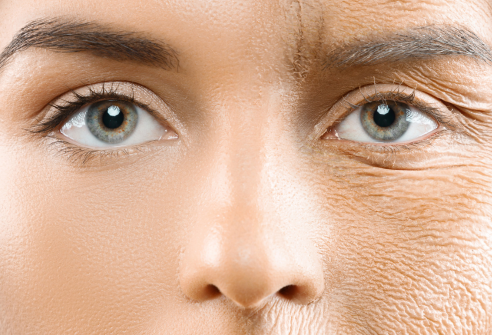
Human Growth Hormone (HGH) is a naturally occurring hormone crucial for growth, cell repair, and metabolism. As we age, the production of HGH declines, leading to various signs of aging such as wrinkles, decreased energy, and reduced muscle mass. Recently, HGH therapy has gained popularity for its potential anti-aging benefits, including improved skin elasticity, increased energy levels, and enhanced muscle mass. Understanding the optimal dosage of HGH is essential to maximize these benefits while minimizing risks. This article explores the optimal dosage of HGH for achieving anti-aging effects and provides guidance on how to use HGH safely and effectively.

What is HGH?

HGH, produced by the pituitary gland, plays a vital role in growth, cell repair, and metabolism. It stimulates growth in children and helps maintain tissues and organs throughout life. Natural production of HGH peaks during adolescence and declines with age, contributing to aging signs like wrinkles and decreased muscle mass. HGH therapy involves administering synthetic HGH to supplement the body’s decreasing hormone levels, aiming to mitigate these aging effects. By promoting cell regeneration and metabolism, HGH helps maintain youthful vigor and appearance.

Anti-Aging Benefits of HGH

HGH therapy can offer several anti-aging benefits:

  • Improved Skin Elasticity: HGH helps stimulate collagen production, reducing wrinkles and tightening the skin. Studies have shown significant improvements in skin texture and elasticity with HGH therapy​.
  • Increased Energy Levels: HGH can enhance sleep quality, resulting in better rest and increased daytime energy levels. Users often report feeling more energetic and vibrant after starting HGH therapy​.
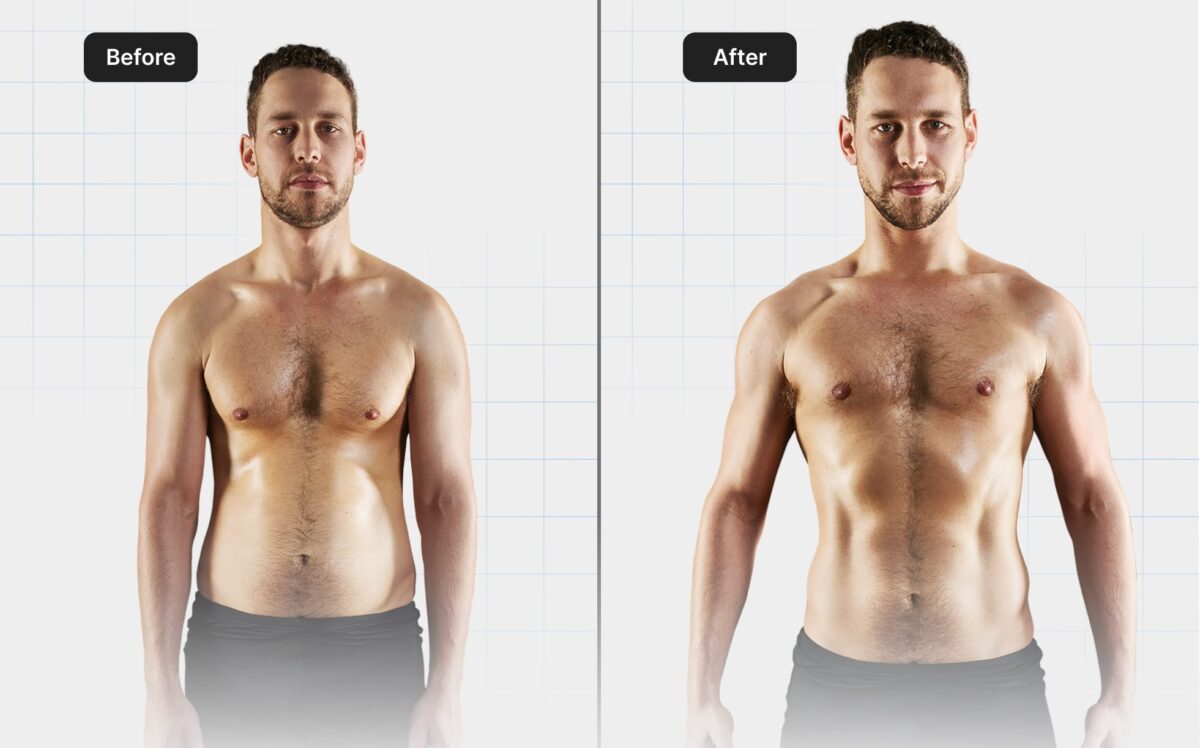
  • Enhanced Muscle Mass and Fat Loss: HGH promotes muscle growth and fat metabolism, leading to a leaner body composition. It helps reduce body fat, particularly around the abdomen, and increases lean muscle mass​​.
  • Other Benefits: Improved mood, better cognitive function, and a general sense of well-being are additional benefits of HGH therapy. Research indicates that HGH can enhance overall quality of life by boosting mental clarity and emotional stability​ ​.

Optimal HGH Dosage for Anti-Aging

Determining the Right Dosage 

The optimal HGH dosage varies based on individual factors such as age, weight, gender, and overall health. For anti-aging purposes, a common recommendation is 1-2 IU (International Units) per day. It’s crucial to start with a low dose and gradually increase it to minimize side effects and allow the body to adjust​. For example, starting at 0.2 mg per day and increasing by 0.1-0.2 mg every few weeks is a typical approach. Medical supervision is essential to determine the right dosage and monitor progress.

Dosage Schedules and Cycles 

A typical HGH cycle for anti-aging involves 6 months of therapy followed by a 6-month break. This cycling helps prevent the body from becoming desensitized to HGH and maintains its effectiveness​​. Daily administration, preferably in the evening, mimics the body’s natural HGH release. Evening injections align with the body’s circadian rhythm, maximizing the hormone’s efficacy. Dosage adjustments should be based on individual response and side effects. Regular monitoring and consultations with a healthcare provider ensure safe and effective therapy.

Potential Side Effects and Risks

While HGH therapy can offer significant benefits, it’s essential to be aware of potential side effects such as joint pain, edema, and carpal tunnel syndrome. Long-term use may increase the risk of insulin resistance, leading to diabetes, and possibly promote cancer cell growth​​.

Common side effects include:

  • Joint Pain and Edema: Fluid retention can cause swelling and discomfort in joints​​.
  • Carpal Tunnel Syndrome: Increased tissue growth may compress nerves, leading to numbness and pain in hands and fingers​.
  • Insulin Resistance: Prolonged use of HGH can affect insulin sensitivity, raising blood sugar levels​​. Regular medical supervision and monitoring are crucial to manage these risks and adjust the dosage as needed.

Combining HGH with Other Treatments 

Combining HGH therapy with other anti-aging treatments, such as a healthy diet, regular exercise, and adequate sleep, can enhance its effectiveness. Lifestyle factors play a significant role in maximizing HGH benefits​​. Supplements like vitamins and minerals may support HGH therapy by promoting overall health and well-being​​. Synergistic effects with other treatments, such as testosterone replacement therapy, can further enhance muscle mass and vitality​​. Always consult with a healthcare provider before combining treatments to ensure safety and efficacy.

Reach out to Empower Men’s Health Clinic for your HGH needs

HGH therapy can offer promising anti-aging benefits, but determining the right dosage and approach under medical supervision is crucial. By following recommended dosages and cycling schedules, individuals can maximize the benefits of HGH while minimizing risks. Combining HGH therapy with a healthy lifestyle and other treatments can further enhance its effectiveness. For personalized guidance and professional HGH therapy, visit Empower Men’s Health Clinic. Understanding the potential benefits and risks allows individuals to make informed decisions about using HGH for anti-aging purposes.

Does HGH shut down natural production?

Human Growth Hormone (HGH) plays a vital role in growth, metabolism, and overall maintenance of tissues and organs. With the advent of synthetic HGH, its usage has extended beyond medical treatment to areas like bodybuilding and anti-aging therapies. However, a critical concern arises regarding whether synthetic HGH suppresses the body’s natural production of the hormone. This article delves into the effects of synthetic HGH on natural production, backed by research findings, and offers strategies to manage these effects effectively.

What is HGH?

HGH, produced by the pituitary gland, stimulates growth in children and helps maintain tissues and organs throughout life. It promotes the growth of bones and muscles, supports metabolism, and influences overall physical health. Naturally, HGH levels peak during puberty and gradually decline with age.

The hormone operates through a complex mechanism involving the liver’s production of insulin-like growth factor 1 (IGF-1), which mediates many of HGH’s effects. HGH release is regulated by the hypothalamus and follows a pulsatile pattern, with the highest levels occurring during deep sleep​.

Why Use Synthetic HGH?

Synthetic HGH is used to treat conditions like growth hormone deficiency, Turner syndrome, and muscle-wasting diseases. These treatments aim to restore normal growth and metabolism in patients lacking adequate natural HGH production​​.

In non-medical contexts, synthetic HGH is popular among athletes and bodybuilders for its ability to enhance muscle growth, reduce fat, and improve recovery times. It is also marketed for its purported anti-aging benefits, although these claims are often not supported by robust scientific evidence​​.

Mechanism of HGH Action

Synthetic HGH mimics the action of natural HGH by binding to receptors on target cells, initiating a cascade of cellular events that promote growth and metabolic functions. This process involves the stimulation of IGF-1 production in the liver, which then acts on various tissues to stimulate growth and repair​​.

While synthetic and natural HGH share similar mechanisms, their administration can disrupt the body’s natural hormonal balance, particularly if used inappropriately or without medical supervision​.

Does Synthetic HGH Shut Down Natural Production?

Studies indicate that synthetic HGH can temporarily suppress the body’s natural HGH production. This suppression occurs because the external hormone signals the body that it has sufficient HGH, reducing the need for endogenous production. For example, research has shown that during synthetic HGH therapy, the amplitude of natural HGH pulses decreases significantly​​.

However, this suppression is usually reversible. Once synthetic HGH administration stops, natural production typically resumes, although the recovery time can vary. Some studies suggest that careful management of HGH cycles can mitigate long-term impacts on natural production​​.

Negative Feedback Mechanism

The body regulates hormone levels through feedback loops. When synthetic HGH is introduced, it creates a negative feedback loop, where the hypothalamus reduces the release of growth hormone-releasing hormone (GHRH), subsequently decreasing natural HGH production. This mechanism is similar to how the body regulates other hormones like testosterone and thyroid hormones​.

Understanding this mechanism is crucial for managing HGH therapy effectively. For instance, timing HGH injections to avoid periods of natural peak production can help maintain some level of endogenous hormone release​.

Potential Side Effects of Synthetic HGH

Short-term Side Effects

Short-term side effects of synthetic HGH include joint pain, muscle aches, and fluid retention. These effects are usually mild and reversible upon cessation of HGH therapy​​.

Long-term Side Effects

Long-term use of synthetic HGH can lead to more severe complications such as acromegaly (enlargement of bones and tissues), increased risk of diabetes, and cardiovascular issues. These risks highlight the importance of medical supervision and appropriate dosing​​.

Psychological Effects

Psychological effects, including mood swings and dependency, have also been reported with synthetic HGH use. These effects necessitate careful monitoring and consideration of mental health alongside physical health during HGH therapy​.

Managing HGH Use to Minimize Disruption

To minimize the disruption of natural HGH production, it is essential to follow proper timing and dosage strategies. For example, administering HGH in the morning can avoid interfering with the body’s natural nighttime HGH pulses​.

Using HGH in cycles, rather than continuous administration, allows the body to recover its natural production in between cycles. Combining HGH with other therapies, such as growth hormone-releasing peptides, can also help maintain natural hormone levels​.

Healthcare professionals play a crucial role in monitoring and adjusting HGH therapy to ensure it is both effective and safe. Regular blood tests and medical evaluations can help tailor the treatment to individual needs, reducing the risk of adverse effects​.

Alternative Approaches to Boost Natural HGH Production

Lifestyle Changes

Lifestyle changes can significantly boost natural HGH production. Regular exercise, particularly high-intensity interval training (HIIT), can stimulate HGH release. Adequate sleep is also crucial, as the majority of HGH secretion occurs during deep sleep stages​.

Supplements and Natural Enhancers

Certain supplements, like arginine and glutamine, have been shown to promote natural HGH release. A balanced diet rich in protein, healthy fats, and low in sugar can also support optimal HGH levels​.

Benefits of Maintaining Natural HGH Levels

Maintaining natural HGH levels has numerous benefits, including better muscle mass, reduced fat accumulation, improved energy levels, and overall enhanced well-being. Focusing on natural ways to boost HGH can be a safer and more sustainable approach compared to synthetic alternatives​.

Reach out to Empower Men’s Health Clinic for your HGH needs

In conclusion, while synthetic HGH can temporarily suppress natural production, this effect is generally reversible with proper management. Understanding the body’s feedback mechanisms and following recommended dosing and cycling protocols are key to minimizing long-term risks. For those considering HGH therapy, consulting with healthcare professionals is essential. Empower Men’s Health Clinic offers comprehensive HGH therapy solutions and expert guidance to help you navigate your HGH needs safely and effectively.

The Cost Of HGH In Florida

The cost of HGH therapy in Florida ranges from $200 – $1,000+ dollars per month. This is dependent on the supplier and dosage required. At Empower Men’s Clinic we charge on average $400/mo for a replacement level dosage of HGH.

Keep reading to learn more about what determines the cost of HGH In Florida. 

What HGH Dosage Is Right For Me?

Determining the right HGH dosage depends on various factors, including your medical condition, age, weight, and treatment goals. Always consult with a healthcare professional to establish the appropriate dosage for your specific needs. Below is a general guide to help understand the typical dosages for different purposes:

User LevelDosage (IU/day)Dosage (mg/day)Purpose
Replacement1 – 2 IU0.3 – 0.6 mgGeneral health, anti-aging
Optimization2 – 4 IU0.6 – 1.2 mgMuscle gain, fat loss
Advanced4 – 8 IU1.2 – 2.4 mgSevere deficiencies, bodybuilding

Replacement Dosage: For individuals seeking general health improvements and anti-aging benefits, a replacement dosage of HGH is typically recommended. This lower dosage helps minimize side effects while still providing beneficial effects such as improved energy levels, better skin health, and overall well-being. The typical dosage for beginners ranges from 1 to 2 IU per day, which is approximately 0.3 to 0.6 mg per day.

Optimization Dosage: For those aiming to enhance muscle gain, reduce body fat, and improve physical performance, a moderate dosage is often more appropriate. This level of HGH can help increase muscle mass, improve recovery times, and support better overall physical fitness. The typical dosage for intermediate users is between 2 to 4 IU per day, equivalent to 0.6 to 1.2 mg per day.

Advanced Dosage: In cases of severe growth hormone deficiencies or for advanced bodybuilding purposes, a higher dosage of HGH is required. Higher doses are used to address significant deficiencies or to achieve substantial muscle growth and performance enhancements. The typical dosage for advanced users ranges from 4 to 8 IU per day, which is about 1.2 to 2.4 mg per day.

#image_title

Do Doctors Prescribe HGH?

While HGH therapy can offer significant benefits for those with medical conditions that justify its use, obtaining a prescription for HGH can be challenging. Most primary care physicians and general practitioners are reluctant to prescribe HGH due to the strict regulatory environment, potential for abuse, and the need for specialized knowledge in managing hormone treatments.

Why Most Doctors Won’t Prescribe HGH

  1. Regulatory Restrictions: HGH is a controlled substance in many countries, including the United States. The FDA strictly regulates its use, and it can only be prescribed for specific medical conditions such as growth hormone deficiency, Turner syndrome, Prader-Willi syndrome, and chronic kidney disease. Off-label uses, such as for anti-aging or athletic performance, are not approved and are illegal.
  2. Specialized Knowledge Required: Prescribing and managing HGH therapy requires specialized knowledge of endocrinology. Most general practitioners do not have the expertise to monitor hormone levels, adjust dosages, and manage potential side effects appropriately.
  3. Risk of Side Effects: HGH therapy can have serious side effects, including joint pain, muscle pain, edema, insulin resistance, and increased risk of diabetes. Physicians must closely monitor patients to manage these risks, which requires specialized training and experience.

Seeking Treatment at Medical Wellness Centers

Due to these challenges, individuals seeking HGH therapy often turn to specialized medical wellness centers like Empower Men’s Health Clinic. These centers focus on hormone replacement therapy and have the necessary expertise to manage HGH treatments safely and effectively.

  • Specialized Services: Medical wellness centers offer specialized services in hormone replacement therapy, including HGH. They have experienced endocrinologists and other healthcare professionals who are well-versed in the latest treatment protocols and monitoring techniques.
  • Comprehensive Evaluations: These clinics typically perform comprehensive evaluations, including detailed medical histories, physical exams, and laboratory tests to determine if HGH therapy is appropriate. They ensure that any treatment is tailored to the individual’s specific needs and medical conditions.
  • Personalized Treatment Plans: Medical wellness centers provide personalized treatment plans, adjusting dosages and monitoring progress to achieve optimal results while minimizing side effects. They offer ongoing support and follow-up care to ensure the therapy is effective and safe.

Takeaway

Choosing the right HGH dosage and provider is crucial for effective and safe treatment. While the cost of HGH therapy in Florida can vary widely, Empower Men’s Clinic offers a competitive rate of approximately $400 per month for a replacement level dosage.

 Always consult with a healthcare professional to determine the best dosage for your needs and consider specialized medical wellness centers for comprehensive evaluations and personalized treatment plans.

Cost Of HGH In Maryland

The cost of HGH in Maryland ranges from $200-$1000 dollars depending on what your dosage is and who the provider is. At Empower Men’s Clinic, we charge and average of $400/mo for replacement-level HGH therapy.

Keep reading to learn more about the cost of HGH and the factors affecting it.

Does HGH Require a Prescription?

Yes, Human Growth Hormone (HGH) requires a prescription. In the United States, HGH is classified as a controlled substance, and it is illegal to obtain or use it without a prescription from a licensed healthcare provider. Here are some key points regarding the prescription requirement for HGH:

  1. Legal Regulations: HGH can only be legally prescribed for conditions approved by the FDA. Using HGH without a prescription is illegal and can result in legal consequences.
  2. Medical Supervision: HGH therapy must be administered under the supervision of a healthcare professional. This ensures that the dosage and administration are appropriate for the individual’s medical condition and helps to monitor for potential side effects and efficacy.
  3. Health Risks: Using HGH without medical supervision can lead to serious health risks, including joint pain, muscle pain, edema, insulin resistance, and an increased risk of diabetes. It is important to use HGH only under the guidance of a qualified healthcare provider to mitigate these risks.
  4. Prescription Process: To obtain HGH legally, a patient must undergo a medical evaluation, which typically includes a physical examination, a review of their medical history, and laboratory tests to diagnose a growth hormone deficiency or other approved medical conditions. Only after this thorough evaluation can a prescription be issued.

Using HGH without a prescription is both illegal and potentially dangerous, emphasizing the need for proper medical oversight in its use.

Why Is HGH So Expensive?

Human Growth Hormone (HGH) is expensive for several reasons:

  1. Production Complexity: HGH is a complex protein that is produced using recombinant DNA technology. This process involves genetically engineering bacteria to produce HGH, which is a time-consuming and costly procedure. The manufacturing process requires advanced technology and stringent quality control measures to ensure the purity and effectiveness of the hormone.
  2. Regulatory Requirements: HGH is classified as a prescription medication and is regulated by the FDA and other international health authorities. The approval process for HGH products involves rigorous clinical trials and extensive testing to demonstrate their safety and efficacy. These regulatory requirements add to the overall cost of developing and bringing HGH to market.
  3. Research and Development: Significant investment is required in research and development to create and improve HGH therapies. This includes the costs of laboratory research, clinical trials, and ongoing studies to explore new uses and potential benefits of HGH. Pharmaceutical companies invest heavily in R&D, and these costs are often reflected in the price of the medication.
  4. Limited Market: The market for HGH is relatively small compared to other medications. It is primarily prescribed for specific medical conditions such as growth hormone deficiency, Turner syndrome, and Prader-Willi syndrome. The limited demand means that the costs of production, research, and regulatory compliance must be spread over a smaller number of units, leading to higher prices per unit.
  5. Insurance and Coverage: HGH therapy is often not fully covered by insurance, or it may require prior authorization. Patients may have to bear a significant portion of the cost out-of-pocket, which can make the therapy seem even more expensive. Insurance companies may also have strict criteria for approving HGH therapy, further limiting its accessibility and driving up costs for those who need it.
  6. Branding and Marketing: Branded HGH products, such as Genotropin, Norditropin, and Humatrope, are marketed by major pharmaceutical companies. The costs associated with marketing and promoting these brands, as well as the premium pricing strategy, contribute to the high cost of HGH.

These factors combined result in the high cost of HGH therapy. The complexity of production, stringent regulatory requirements, substantial R&D investments, limited market size, insurance coverage limitations, and branding efforts all play a role in making HGH an expensive treatment option.

Will Insurance Cover HGH?

No, insurance will not cover Human Growth Hormone (HGH) for anti-aging purposes. Insurance companies typically only cover HGH therapy when it is deemed medically necessary for specific, FDA-approved conditions such as growth hormone deficiency, Turner syndrome, Prader-Willi syndrome, chronic kidney disease, and severe idiopathic short stature. Anti-aging treatments do not fall under these approved medical conditions, so insurance providers do not cover HGH therapy for this purpose.

Takeaway

Human Growth Hormone (HGH) therapy can be a significant expense for those who require it for medical reasons. While the cost can vary widely depending on the provider, it’s important to know that more affordable options are available.

One such option is Empower Pharmacy, which offers HGH therapy at a substantially lower cost compared to many other providers. Here’s a quick takeaway on how Empower Pharmacy’s pricing stands out:

  • Empower Pharmacy: Offers HGH therapy at approximately $400 per month.
  • Other Providers: Prices can range from $1,200 to $2,700 per month, depending on the brand and dosage.

Why Choose Empower Pharmacy?

  1. Affordability: Empower Pharmacy provides a cost-effective solution for HGH therapy, making it more accessible to patients who need it for legitimate medical purposes.
  2. Quality: Despite the lower cost, Empower Pharmacy ensures that their HGH products meet high standards of quality and efficacy.
  3. Accessibility: With lower prices, more patients can afford to continue their necessary treatments without the financial strain associated with higher-cost providers.

Before And After TRT: What To Expect

Testosterone Replacement Therapy (TRT) has gained widespread attention for its potential to significantly improve the quality of life for men experiencing low testosterone levels. TRT aims to restore normal testosterone levels in men suffering from low T, which can lead to a host of physical, mental, and sexual issues. 

Understanding the journey before and after TRT is crucial for those considering this treatment. This article provides a comprehensive look at what you can expect from TRT, from initial symptoms and preparation to the dramatic changes experienced during and after the therapy.

If you are interested in learning more about our online TRT options, click here.

Symptoms of Low Testosterone 

Low testosterone, or low T, can manifest in various ways, affecting physical, mental, and sexual health. Common physical symptoms include chronic fatigue, muscle loss, and weight gain​​. Mentally, men might experience depression, irritability, and brain fog, which can significantly impact daily life and overall well-being. Sexual symptoms are also prevalent and include low libido and erectile dysfunction, contributing to reduced intimacy and relationship issues.

Recognizing these symptoms early can lead to timely intervention with TRT. Often, these symptoms can be mistakenly attributed to aging or other health issues, but proper diagnosis and treatment of low testosterone can lead to remarkable improvements in quality of life.

Preparing for TRT 

Before starting TRT, a thorough consultation with a healthcare provider is essential. This process typically involves testing baseline testosterone levels through blood tests to confirm the diagnosis of low testosterone​​. During the initial consultation, patients discuss their symptoms, medical history, and potential treatment options with their healthcare provider.

Understanding the process and setting realistic expectations are crucial for achieving the best outcomes. Patients should also be aware of the commitment required for ongoing therapy and monitoring. Preparing mentally and physically for TRT helps ensure a smoother transition and better adherence to the treatment plan.

First Week of TRT 

The first week of TRT can be an exciting yet challenging period as the body begins to adjust to the new hormone levels. Patients may experience a range of initial reactions, such as a boost in energy and mood. It’s common to feel more alert and motivated, and some men notice a slight improvement in libido.

Monitoring and adjusting dosages are crucial during this period to ensure optimal results and minimize side effects. Healthcare providers often schedule follow-up appointments to assess the patient’s response and make any necessary adjustments to the treatment plan. Early physical and mental changes, while generally positive, can vary widely among individuals, emphasizing the importance of personalized care.

First Month of TRT

By the end of the first month, significant changes often become noticeable. Increased energy, improved mood, and enhanced libido are common outcomes as the body continues to adapt to the therapy. Many men report feeling more vigorous and motivated, which can translate into better performance at work and in personal life.

Physically, patients might observe muscle gain and fat loss as testosterone promotes anabolic processes in the body. Improved muscle tone and reduced body fat contribute to a more youthful and healthy appearance. Adherence to the treatment plan is vital for achieving these benefits. Regular follow-ups with the healthcare provider ensure that the therapy is progressing as expected and any side effects are managed promptly.

Three Months into TRT

After three months, the effects of TRT are usually more pronounced and stable. Many men report substantial improvements in physical performance, mood stabilization, and overall well-being​. Increased confidence and a more active lifestyle are typical outcomes at this stage. Enhanced muscle mass, reduced body fat, and better endurance contribute to a more vigorous and dynamic lifestyle.

Mentally, many patients experience a significant reduction in symptoms of depression and anxiety. Cognitive functions, such as memory and concentration, often improve, leading to better productivity and quality of life. The cumulative benefits of TRT become more evident as the therapy continues, with ongoing adjustments and monitoring to optimize results.

Long-Term Effects of TRT 

Long-term benefits of TRT include sustained muscle growth, fat reduction, and improved bone density​​. These physical changes contribute to a healthier, more resilient body, reducing the risk of osteoporosis and fractures. Additionally, TRT has been shown to enhance cardiovascular health, potentially lowering the risk of heart disease and improving overall longevity.

Enhanced quality of life and mental health are significant long-term benefits of TRT. Patients often report increased motivation, better mood stability, and a greater sense of well-being. Improved sexual health, including increased libido and better erectile function, also contribute to a more satisfying and fulfilling life.

Regular monitoring ensures that these benefits are maintained while minimizing risks. Healthcare providers adjust dosages and treatment plans based on the patient’s response and any emerging side effects. Consistent follow-up appointments and blood tests help in early detection of any potential issues, ensuring that the therapy remains safe and effective.

Potential Side Effects and Risks

While TRT offers numerous benefits, it is not without potential side effects. Common issues include acne, sleep apnea, and an increased red blood cell count. These side effects can usually be managed with appropriate medical supervision and adjustments to the treatment plan.

Long-term risks can involve cardiovascular problems, such as increased risk of heart attack or stroke. There is also a potential for dependency, where the body becomes reliant on external testosterone, necessitating ongoing treatment. Monitoring by a healthcare provider is essential to mitigate these risks and ensure the patient’s safety.

Understanding and weighing these potential side effects and risks against the benefits of TRT is crucial. Open communication with the healthcare provider helps in making informed decisions and managing any complications that arise during the therapy.

Reach out to Empowers Men’s Health Clinic if you have low Testosterone

Testosterone Replacement Therapy can be a transformative journey for men with low testosterone. By understanding the process and potential outcomes, individuals can make informed decisions about their health and well-being. TRT offers numerous benefits, from increased energy and muscle mass to improved mood and sexual health. However, it is essential to approach this therapy with a clear understanding of the potential risks and the need for ongoing medical supervision.

For those experiencing symptoms of low testosterone, consulting with a healthcare provider like Empower Men’s Clinic can be the first step toward a healthier, more vibrant life. Empower Men’s Clinic offers comprehensive services to guide patients through their TRT journey, ensuring personalized care and optimal results.

Is TRT Covered By Insurance In Florida?

Yes TRT is covered by insurance in Florida. However, in order to qualify for TRT through health insurance, you will need to meet a series of qualifications. Additionally, primary care physicians may not provide an optimized dose of TRT; instead, they opt for the smallest dose possible.  

For this reason, many TRT patients prefer to work with men’s health clinics instead. While your insurance will not cover this, men’s health clinics are much more experienced in dealing with TRT patients. This means you will receive better care, an appropriate replacement dose, and expert guidance on how to make the most of your TRT prescription. 

If you’re tired of getting the run around from your doctor’s office with TRT, reach out to Empower Men’s Clinic today to learn about our Online TRT options in Florida!

How To Qualify For TRT Through Insurance In Florida 

To qualify for Testosterone Replacement Therapy (TRT) through insurance in Florida, you will need to follow a series of steps and meet specific criteria:

  1. Medical Diagnosis: You must be diagnosed with a medical condition that justifies the use of TRT, such as hypogonadism or another hormone-related disorder. The diagnosis needs to be made by a healthcare provider, typically involving blood tests that show consistently low testosterone levels.
  1. Documentation and Evaluation: Your healthcare provider must document your symptoms and medical history, including previous treatments and their outcomes. This documentation is crucial as insurance companies often require detailed medical records to approve treatment.
  1. Treatment Plan: Your doctor will need to develop a comprehensive treatment plan that includes TRT. This plan must specify the type of testosterone replacement (e.g., injections, patches, gels) and the duration of therapy.
  1. Insurance Criteria: Each insurance provider in Florida has specific criteria for TRT coverage, which can include minimum testosterone levels, age restrictions, and required symptoms. It’s essential to review your insurance policy to understand these criteria.
  2. Pre-Authorization: Many insurance companies require pre-authorization for TRT. This involves submitting all necessary medical documentation and the treatment plan to your insurance for approval before you start therapy.
  1. Follow-up and Monitoring: Once on TRT, regular follow-up appointments and blood tests are necessary to monitor hormone levels and adjust the treatment as needed. Continued insurance coverage might depend on demonstrating that the therapy is effective and necessary based on these follow-ups.
  1. Appeal Process: If your insurance denies coverage, there is typically an appeal process. This may involve providing additional information or documentation, having your healthcare provider advocate on your behalf, or even seeking a second opinion.

How To Qualify For TRT With Empower Mens Clinic

At Empower Men’s Clinic, we streamline the TRT qualification and treatment process to ensure it’s tailored to your needs:

Initial Consultation: Start with a consultation to discuss your symptoms and medical history, either in-person or online.

Comprehensive Blood Testing: Blood tests measure your testosterone to confirm if levels are below the normal range.

Expert Medical Review: Our specialists review your results to ensure TRT is a safe and effective treatment option for you.

Customized Treatment Plan: If you qualify, we create a personalized treatment plan, discussing all aspects of therapy, including benefits and risks.

Ongoing Monitoring and Adjustments: We regularly monitor your progress through blood tests and adjust your treatment as necessary.

Choosing Empower Men’s Clinic means partnering with experts committed to optimizing your health with personalized TRT.

Getting Started With TRT In Florida

If you’re considering TRT in Florida, it’s essential to proceed with informed guidance and professional support. Take the time to discuss your health needs with a qualified healthcare provider and ensure all necessary tests are conducted to confirm low testosterone levels. With the right approach, TRT can significantly improve your quality of life by addressing hormonal imbalances, helping you feel more energized and revitalized. 

Always remember, the journey to better health is a partnership between you and your medical team, tailored to meet your specific needs. 

Ready to take the first step? Contact Empower Men’s Clinic today and set up your initial consultation to explore how TRT can benefit you.

HRT vs TRT: Which is Right For You?

In short, HRT (Hormone Replacement Therapy) focuses on optimizing many different hormones, whereas TRT (Testosterone Replacement Therapy) only focuses on optimizing testosterone levels. 

To figure out if HRT or TRT is right for you, keep reading. 

The Main Difference Between HRT and TRT

HRT involves optimizing and balancing multiple hormones like estrogen, progesterone, testosterone, thyroid, cortisol, etc., taking a comprehensive approach to address overall hormonal imbalances. In contrast, TRT specifically focuses on increasing and optimizing testosterone levels alone, without addressing imbalances in other hormones. 

HRT is used for both men and women to treat symptoms of hormonal decline and imbalances related to aging, menopause, andropause, etc., while TRT is primarily intended for men with low testosterone levels or hypogonadism although it is becomingly used in women with testosterone deficiency.

HRT

Who is HRT Right For?

Hormone Replacement Therapy (HRT) is typically right for individuals experiencing hormonal imbalances or deficiencies, particularly due to aging or specific medical conditions. Here are some key groups for whom HRT might be appropriate:

Women Going Through Menopause:

  • HRT is commonly used to alleviate menopausal symptoms such as hot flashes, night sweats, mood swings, vaginal dryness, and osteoporosis.

Postmenopausal Women:

Women with Premature Menopause or Ovarian Insufficiency:

  • Women who experience menopause before the age of 40 or those with ovarian insufficiency may use HRT to manage symptoms and reduce the risk of osteoporosis and cardiovascular disease.

Men with Andropause (Male Menopause):

  • Men experiencing andropause, characterized by a natural decline in testosterone levels with age, may benefit from HRT to alleviate symptoms such as low libido, fatigue, depression, and reduced muscle mass.

Individuals with Specific Hormonal Deficiencies:

  • People diagnosed with specific hormonal deficiencies or imbalances, such as thyroid hormone imbalances or adrenal insufficiency, may require HRT to manage their condition.

Who is TRT Right For?

Testosterone Replacement Therapy (TRT) is typically right for individuals who have clinically low testosterone levels or conditions leading to low testosterone. 

Men with Hypogonadism:

  • Hypogonadism is a condition where the body does not produce enough testosterone. This can be due to issues with the testicles, pituitary gland, or hypothalamus. Men with primary or secondary hypogonadism are prime candidates for TRT.

Men with Age-Related Testosterone Decline (Andropause):

  • As men age, testosterone levels naturally decline. Men experiencing symptoms of low testosterone, such as reduced libido, fatigue, depression, and loss of muscle mass, may benefit from TRT.

Men with Symptoms of Low Testosterone:

  • Symptoms may include decreased energy, low sex drive, erectile dysfunction, mood changes, reduced muscle mass, and increased body fat. Men experiencing these symptoms alongside low testosterone levels may be suitable for TRT.

Men Recovering from Testicular or Pituitary Disorders:

  • Conditions or treatments that impact the testicles or pituitary gland, such as injury, surgery, or radiation therapy, can lead to low testosterone levels. TRT can help restore normal levels.

While Testosterone Replacement Therapy (TRT) is primarily associated with men, it can sometimes be appropriate for women, particularly those experiencing specific medical conditions or symptoms related to low testosterone levels.

Menopausal Symptoms:

  • Some women experience symptoms during menopause that may be linked to low testosterone levels, such as reduced libido, fatigue, and mood changes. In certain cases, TRT can help alleviate these symptoms when other treatments are not effective.

Hypoactive Sexual Desire Disorder (HSDD):

  • Women with HSDD, a condition characterized by a persistent lack of sexual desire causing distress, may benefit from TRT. Low testosterone levels can contribute to HSDD, and TRT can help improve sexual desire and satisfaction.

Adrenal Insufficiency:

  • Women with adrenal insufficiency, where the adrenal glands do not produce enough hormones including testosterone, may require TRT as part of their hormone replacement regimen.

Talk To Us To Learn More About HRT and TRT

Take Charge of Your Health Today! Contact Empower Men’s Clinic About HRT and TRT

Are you experiencing symptoms of hormonal imbalance or low testosterone? Empower Men’s Clinic is here to help. Whether you’re interested in Hormone Replacement Therapy (HRT) or Testosterone Replacement Therapy (TRT), our experienced team can guide you toward the best treatment for your needs.

Is TRT Covered By Insurance In Maryland?

Yes, TRT can be covered by insurance in Maryland. However, obtaining approval can be challenging. Insurance companies typically require extensive documentation to justify the necessity of TRT. 

Patients must undergo thorough testing to confirm low testosterone levels, often needing multiple tests to rule out other potential causes of symptoms. 

Additionally, a regular doctor may not provide appropriate dosing or support to maximize your results from TRT. 

For this reason, many patients prefer to go through a men’s health clinic instead. Men’s health clinics are typically better equipped for patients undergoing TRT, providing additional guidance, resources and protocols that would not be available through your primary care physician.

If you are interested in learning more about our TRT options, click here.

How Much Does TRT Cost In Maryland? (With and Without Insurance)

Testosterone replacement therapy (TRT) costs can vary significantly in Maryland depending on several factors:

  • Type of testosterone medication (injections, gels, patches)
  • Brand name vs generic medication
  • Dosage and frequency required
  • Whether you have health insurance coverage
  • Additional costs like doctor visits, lab tests, etc.

However, here are some typical cost estimates for TRT in Maryland:

Delivery MethodWithout InsuranceWith Insurance
Injections$150 – $200/month$10 – $50 copay/month
Gels/Creams$300 – $500/month$25 – $100 copay/month
PatchesAround $800/month$50 – $200 copay/month

How Can I Qualify For TRT In Maryland?

Medical Evaluation

Symptoms of Low Testosterone:

Common symptoms include fatigue, decreased libido, erectile dysfunction, depression, reduced muscle mass, increased body fat, and decreased bone density.

Blood Tests:

  • Free Testosterone Levels: Some guidelines also consider free testosterone levels. Normal ranges can vary, but a level below 5 ng/dL is typically considered low.
  • Timing of Blood Tests: Blood tests should be conducted in the morning, ideally between 7:00 and 10:00 AM, when testosterone levels are at their highest.

Additional Criteria

Medical History:

A thorough review of your medical history is necessary. Conditions such as pituitary gland disorders, testicular diseases, or certain genetic conditions can influence testosterone levels.

  • Physical Examination: A complete physical examination is required to assess overall health and rule out other potential causes of symptoms.
  • Exclusion of Other Conditions: Other potential causes of symptoms, such as thyroid disorders, sleep apnea, and depression, should be ruled out before starting TRT.

Age Considerations:

Age can be a factor, as testosterone levels naturally decline with age. However, significant symptoms and low testosterone levels are still required to qualify for TRT.

Insurance Requirements

Documentation:

Insurance companies often require detailed documentation, including: 

  • Records of symptoms
  • Results of blood tests showing low testosterone on at least two separate occasions
  • Notes from consultations and physical examinations

Specialist Evaluation:

In some cases, an evaluation by an endocrinologist or urologist may be required to confirm the diagnosis and recommend TRT.

Approval Process

Insurance Pre-Authorization:

Most insurance companies require pre-authorization before covering TRT. This involves submitting all relevant medical records and test results.

Follow-Up:

Regular follow-up appointments and blood tests are necessary to monitor the effectiveness of TRT and adjust dosages as needed.

Getting Started With TRT in Maryland

Are you experiencing low energy, decreased libido, or other symptoms of low testosterone? Don’t let it hold you back any longer.

 Empower Men’s Clinic in Maryland offers comprehensive testosterone replacement therapy (TRT) to help you regain your youthful vigor and zest for life.

At Empower Men’s Clinic, our team of experienced professionals is dedicated to providing personalized care tailored to your unique needs. We understand that every man’s journey is different, and we’re here to guide you through the process with compassion and expertise.

Take the first step towards a revitalized life by scheduling your initial consultation today. Our friendly staff will work closely with you to determine the most suitable TRT treatment plan, ensuring optimal results and minimal side effects.

Don’t settle for a diminished quality of life. Embrace the power of TRT and unlock your full potential with Empower Men’s Clinic. Call us to book your appointment now.

Regain your confidence, energy, and overall well-being with the trusted professionals at Empower Men’s Clinic. Your journey to a better you starts here.

Does HGH Increase Penis Size?

Human Growth Hormone (HGH) is a key biological molecule involved in growth and development processes. Although it is well known for its role in height and muscle growth, questions about its impact on penis size remain prevalent. Scientifically, there is no conclusive evidence linking HGH treatments to increased penis size in adults. However, HGH has shown to increase penis size in young boys or those with growth hormone deficiencies. 

The Role of HGH in the Body

Human Growth Hormone (HGH) is produced by the pituitary gland and is critical for growth in children and metabolic functions in adults. HGH stimulates the production of insulin-like growth factor 1 (IGF-1), which in turn promotes the growth of cells and tissues throughout the body. Although HGH is associated with growth, its effects on the penis, particularly post-puberty, are not supported by significant scientific evidence. Instead, its growth-promoting effects are generally observed during the developmental stages of an individual.

HGH and Sexual Health

HGH has a notable influence on sexual health, affecting libido and sexual performance. As men age, natural HGH levels decline, which can lead to decreased libido and other symptoms of sexual dysfunction. Although synthetic HGH can boost sexual desire and performance, it does not specifically increase penis size. Benefits of HGH for sexual health include improved libido, increased stamina, and potentially enhanced quality of erections, primarily through its overall beneficial effects on energy and well-being.

Scientific Evidence on HGH and Penis Size

While Human Growth Hormone (HGH) is predominantly known for its role in overall growth and development, some specific studies have highlighted its potential effects on penis size, particularly in certain medical contexts. Research has shown that in young boys or individuals with growth hormone deficiencies, HGH therapy can contribute to increases in penis size. For example, a study indicated that HGH treatments resulted in penile growth in prepubertal boys who exhibited growth hormone deficiencies 

Furthermore, another study focused on boys with micropenis conditions, demonstrating that HGH was effective in increasing the size of the penis to a near-normal range during the prepubertal period. These findings are particularly important for medical treatments in younger individuals with specific growth-related deficiencies.

However, it is critical to note that the evidence supporting the effectiveness of HGH in altering penis size does not extend beyond the context of such medical treatments in prepubertal individuals. There is no substantial scientific evidence suggesting that HGH can affect penis size in adults or post-puberty. The effects observed in specific younger populations with hormonal deficiencies or congenital conditions do not generalize to older adults or those without these conditions. Thus, the application of HGH for the purpose of increasing penis size in the general adult population is not supported by scientific research.

HGH Usage, Dosage, and Side Effects

When prescribed by a healthcare provider, Human Growth Hormone (HGH) dosage varies based on the specific needs and health conditions of the individual. Typically, HGH is administered through injections under the skin or into a muscle, and the dosage is carefully calibrated to avoid side effects. For growth hormone deficiencies, doses are generally tailored to the severity of the condition and the patient’s body weight.

However, the use of HGH, especially when not medically necessary or prescribed by a doctor, can lead to a range of side effects. Some potential side effects include:

  • Joint and muscle pain: Prolonged use can lead to discomfort and pain in muscles and joints.
  • Edema: Swelling due to fluid retention, particularly in the arms and legs.
  • Carpal tunnel syndrome: A condition that causes numbness and tingling in the hand and arm.
  • Increased insulin resistance: This can potentially lead to type 2 diabetes.
  • Risk of certain cancers: Some studies suggest a correlation between HGH excess and certain types of cancer.

It is essential for individuals considering HGH therapy to consult with healthcare professionals at reputable clinics such as Empower Men’s Health Clinic to discuss the potential benefits and risks, ensuring that the treatment aligns with their specific health needs.

Alternatives and Supplements

For individuals concerned about penis size or sexual health, there are several alternatives to consider rather than HGH. These include psychological counseling, lifestyle changes such as diet and exercise, and other medical treatments like PDE5 inhibitors for erectile dysfunction. Additionally, certain supplements and vitamins may support overall sexual health, though they should be used cautiously and under medical advice.

Reach out to Empower Men’s Health Clinic for your HGH needs

In conclusion, while HGH has various health benefits and plays a crucial role in growth and metabolism, its effects on increasing penis size in adults are unsupported by science. The research supporting HGH’s influence on penile growth primarily applies to prepubertal boys with specific medical conditions, such as growth hormone deficiencies or micropenis. For adults, the application of HGH for penis enlargement lacks substantial scientific backing and is generally deemed ineffective.

Individuals interested in exploring treatments for concerns regarding penis size or sexual health should approach with caution and seek professional medical advice. At Empower Men’s Health Clinic, we are dedicated to providing evidence-based treatments and comprehensive care tailored to men’s health needs. Our team of experts is available to guide you through safe and effective options for enhancing your well-being and addressing your concerns. 

Where to Inject HGH?

Human Growth Hormone (HGH) therapy is a vital treatment option for those dealing with growth hormone deficiencies or looking to improve overall health and vitality. Knowing where to inject HGH is crucial for maximizing the effectiveness of the therapy and minimizing discomfort. Typically, HGH is administered through subcutaneous injections into fatty tissue beneath the skin, offering the best absorption rates.

Preparing for HGH Injection

Before starting HGH injections, it’s essential to understand the types of HGH available:

  • Vials containing powder that need reconstitution.
  • Prefilled and preloaded pens that simplify the injection process.
  • Auto-injector devices that automate the injection at a set depth and speed.

Equipment needed includes:

  • Sterile syringes and needles.
  • Alcohol wipes or swabs to disinfect the area.
  • Sterile gauze and bandages for aftercare.
  • A sharps container for disposal of needles.

Safety tips involve:

  • Ensuring the medication is clear and colorless before use; discard if discolored or cloudy.
  • Never sharing needles or syringes, as this could lead to severe infections and diseases.

Injection Techniques

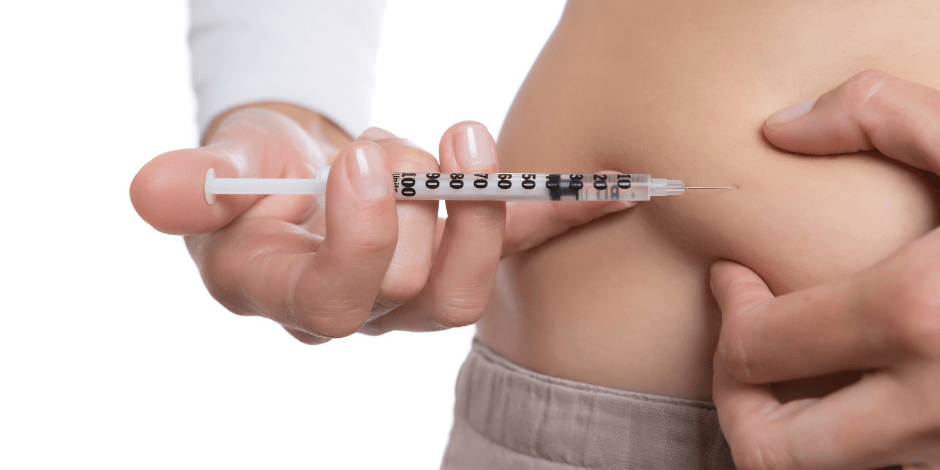
HGH can be injected subcutaneously or intramuscularly, though subcutaneous injections in the abdominal area, thighs, or upper arms are most common due to better absorption rates.

Steps for a subcutaneous injection include:

  1. Clean the injection site with an alcohol swab.
  2. Pinch the skin to create a fold.
  3. Insert the needle at a 45° angle using a quick, dart-like motion.
  4. Slowly press the plunger to release the hormone, then wait a few seconds before withdrawing the needle to prevent leakage.

Reducing pain and discomfort:

  • Allow the hormone to reach room temperature before injection.
  • Use smaller, thinner needles.
  • Rotate injection sites to prevent tissue hardening or fat loss.

Optimal Sites for HGH Injections

The best sites for HGH injections are:

  • Abdominal area: Avoid the area 2 inches around the navel. The lower abdominal wall is preferred because it typically contains more fat, which can help absorb the hormone better.
  • Thighs: The front and outer aspects are ideal. Avoid areas with less fat or more muscle.
  • Upper arms: This area is less commonly used due to accessibility but can be suitable for self-injection.

Each site offers distinct advantages, such as ease of access or potentially less pain during injection. Rotate among these sites to reduce the risk of lipohypertrophy, where fat breaks down at the site of frequent injections.

Aftercare and Safety

Post-injection care is crucial to prevent infection and discomfort:

  • Apply a small bandage if there is minor bleeding.
  • Do not rub or massage the injection site to avoid dispersing the medication too quickly.
  • Dispose of needles and syringes safely in a designated sharps container.

Monitoring the site for signs of infection or allergic reactions such as redness, swelling, or intense pain is vital. Consult a healthcare provider if any of these symptoms persist.

How to Use Omnitrope

Omnitrope is available as either a prefilled pen or a vial that requires reconstitution. For the vial, mix the HGH powder with bacteriostatic water provided, using the specific dilution instructions. The prefilled pen should be primed before first use to ensure proper dosing. Injection sites for Omnitrope typically include the abdomen, thighs, or upper arms. Rotate the injection site regularly to prevent tissue irritation.

How to Use Norditropin

Norditropin comes in FlexPro pens that are prefilled and preloaded, making them convenient for self-administration. To use, simply remove the cap, select the dose with the dial, and inject at a 90-degree angle into the subcutaneous layer beneath the skin. Like other HGH products, it’s vital to rotate injection sites between the abdomen, thigh, or upper arms to reduce the risk of lipohypertrophy.

How to Use Saizen

Saizen is available in a click easy device, which automatically mixes the HGH with a diluent, simplifying preparation. The Saizen EZ-inject pen then delivers the hormone subcutaneously. To administer, attach a needle to the pen, select the dose, and inject into a pinched skin fold, typically in the abdomen or thigh. After injecting, it’s important to follow proper post-injection care including site rotation and proper disposal of needles.

Side Effects of HGH Injections

While Human Growth Hormone (HGH) therapy offers significant health benefits, it also carries potential side effects. Common reactions can include redness, swelling, or bruising at the injection site, which may be mitigated by rotating injection sites. Fluid retention and joint or muscle pain are also possible, typically decreasing as the body adapts to the treatment. More severe but less common side effects include increased insulin resistance, potentially leading to type 2 diabetes, and hypertension. Long-term use at high doses may lead to abnormal bone and organ growth, a condition known as acromegaly, and could increase the risk of certain cancers. It’s crucial to adhere to medical guidance, manage dosages carefully, and maintain regular check-ups to mitigate these risks and ensure the therapy’s safety and effectiveness.

Reach out to Empower Men’s Health Clinic for HGH

Properly administering HGH injections can significantly enhance the therapy’s effectiveness and comfort. Whether you’re new to HGH therapy or looking to optimize your technique, always consult healthcare professionals before making changes to your regimen. For those seeking guidance or treatment, Empower Men’s Health Clinic provides expert care and support tailored to your hormonal health needs.